 akar.earth
EUDR Compliance for Indonesian Commodities
EUDR compliance for Indonesia: application date, 31 December 2020 cut-off, covered commodities, geolocation, due diligence and smallholder traceability.
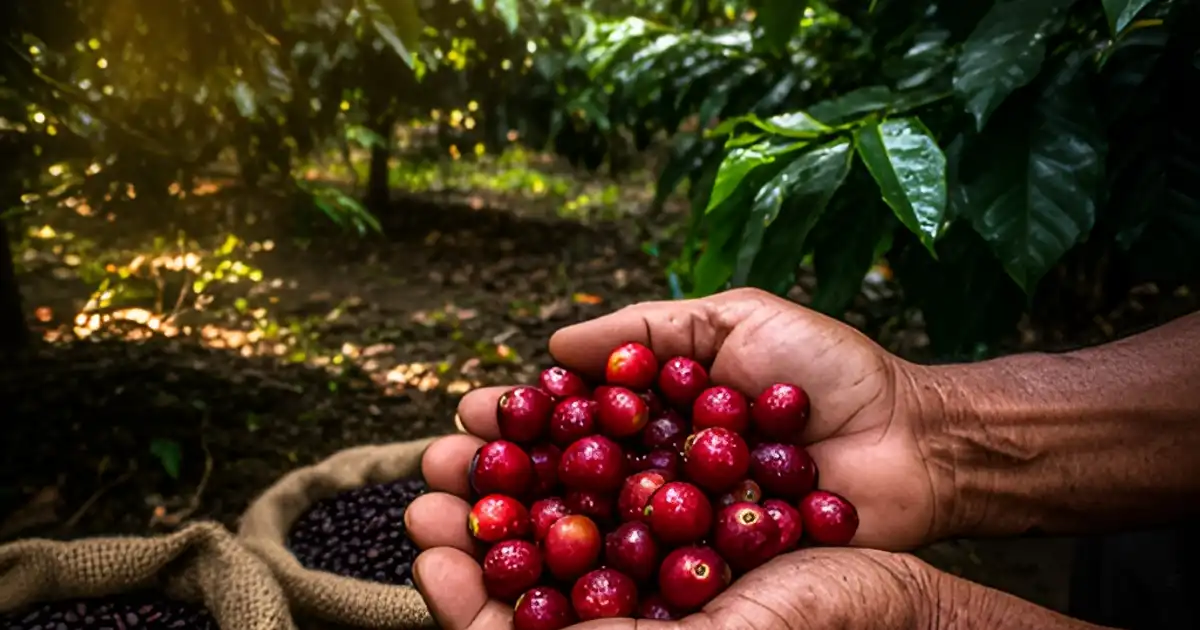
The EU Deforestation Regulation (EUDR, Regulation (EU) 2023/1115) requires that palm oil, rubber, coffee, cocoa, wood, cattle and soya placed on or exported from the EU market are deforestation-free, legally produced and covered by a due diligence statement. The Commission states it applies from 30 December 2026, with a deforestation cut-off date of 31 December 2020.
For Indonesia, this touches five major export commodities and millions of smallholders. This hub explains what the rules require, who carries which duty, and how to build traceability that works on smallholder farms.
What the EUDR requires
A product can enter or leave the EU market only if three conditions hold:
- Deforestation-free. It was produced on land not deforested after 31 December 2020. For wood, the forest must also not have been degraded after that date. See the cut-off date and forest and degradation definitions.
- Legal. It was produced in line with the relevant laws of the country of production, including land use rights, environmental, labour and tax law. See the legality requirement and Indonesian law.
- Covered by a due diligence statement. The operator collects information, assesses risk, mitigates it and submits a statement through the EU information system. See writing an EUDR due diligence statement.
Mass balance is not accepted. Products must be traceable to the plots where they were produced.
Timeline
The Commission states that the regulation applies from 30 December 2026. The application date has moved before, and different rules may apply to micro and small operators. Always check the Commission’s EUDR page rather than relying on secondary sources, which have disagreed with each other. When does the EUDR apply? tracks the official position.
A mental model: plot, product, paper
Think of EUDR compliance as three linked datasets.
| Layer | What you need | Where it fails in Indonesia |
|---|---|---|
| Plot | Geolocation of every production plot; polygon if over 4 ha (except cattle) | Informal tenure, unmapped smallholder farms, outdated boundaries |
| Product | A chain of custody from plot to shipment, without mixing | Collectors and middlemen who blend supply from many villages |
| Paper | Legality evidence, risk assessment, due diligence statement | Land documents missing, no link between farmer registry and plots |
If any layer breaks, the shipment cannot be declared compliant. Polygon vs point requirements by plot size covers the geolocation rules in detail. Satellite verification explains how plots are checked against forest cover since the cut-off date.
Who carries which duty
The EUDR places the main due diligence duty on operators, the companies that first place a product on the EU market or export it. Traders further down the chain have lighter but real duties. Indonesian exporters are not EU operators themselves, but their EU buyers will ask them for the plot data, legality evidence and traceability that the operator needs. Operators vs traders explains the split.
The EU also benchmarks countries as low, standard or high risk, which changes the level of due diligence required. Country benchmarking explains what Indonesia’s category means in practice.
Indonesian commodities
| Commodity | Main exposure | Start here |
|---|---|---|
| Palm oil | Large share of smallholder supply, mixed mill sourcing | Palm oil and the EUDR |
| Rubber | Almost entirely smallholder, many intermediaries | Rubber and the EUDR |
| Coffee | Smallholder agroforestry, often in social forestry areas | Coffee and the EUDR |
| Cocoa | Smallholder agroforestry in Sulawesi and Sumatra | Cocoa and the EUDR |
| Wood | Plantations, natural forest concessions, community forests | Wood and the EUDR |
Each commodity has its own pages on derived products and HS codes, due diligence, geolocation, risk assessment and smallholders. Cattle and soya exposure is small for Indonesian producers but can arise through imports and leather; see cattle, leather and soy.
The smallholder challenge
Research on Indonesian EUDR readiness points to the same problems across rubber, coffee and cocoa: limited outreach, low awareness, fragmented supply chains, weak traceability, and limited resources to provide geolocation and land legality evidence. Registration of farms in national systems such as e-STDB has been low. Smallholders often have informal or unclear land status.
Coffee and cocoa raise a further question because they are often grown under trees. EUDR and agroforestry explains how tree cover on farms interacts with the forest definition.
Practical steps that work:
- Register farmers and map plots with mobile tools, capturing polygons, not only points.
- Link each farmer to their plots, land documents and deliveries.
- Check each plot against imagery from before and after 31 December 2020.
- Keep compliant and unverified supply physically separate.
EUDR vs certification and other rules
RSPO and ISPO certification help, but neither alone satisfies the EUDR. Supply-chain due diligence rules such as the CSDDD overlap but have different scope. See EUDR vs RSPO and EUDR vs ISPO.
The carbon overlap
The plot polygons, farmer records and imagery you build for EUDR are the same evidence carbon projects need for monitoring. In agroforestry landscapes, one field dataset can support both deforestation-free claims and carbon credits. See the agroforestry hub and the dMRV hub.
Common mistakes
- Collecting points where polygons are needed. Plots over 4 ha need polygons, and buyers may ask for them on smaller plots too.
- Relying on certification alone. RSPO or ISPO helps, but neither replaces plot geolocation and due diligence.
- Mixing supply. One unverified delivery in a lot can make the whole shipment non-compliant.
- Starting too late. Mapping thousands of smallholder plots takes months. Start well before the application date.
Getting started
Take the free EUDR readiness check to see where your supply chain stands. Our EUDR compliance and traceability service covers farmer registration, polygon mapping, satellite deforestation checks and data packages for EU buyers. Every EUDR page is listed below.
Frequently asked questions
When does the EUDR apply to Indonesian exports?
The European Commission states that the EUDR applies from 30 December 2026. Check the Commission's EUDR page for any later changes, especially for micro and small operators.
Which Indonesian commodities does the EUDR cover?
Palm oil, rubber, coffee, cocoa and wood are the main Indonesian exposures. The regulation also covers cattle and soya, plus listed derived products such as chocolate, furniture, paper and tyres.
What is the EUDR cut-off date?
31 December 2020. Products must not come from land that was deforested after that date, and for wood, from forest degraded after that date.
Is mass balance accepted under the EUDR?
No. Each product must be traceable to the plots where it was produced. Mixing compliant and unknown material, as mass balance allows, does not meet the requirement.
Do smallholder plots need polygons?
Plots over 4 hectares need a polygon. Smaller plots can be described by a single geolocation point, though many buyers ask for polygons anyway because they make deforestation checks more reliable.
Comparisons
- EUDR vs CSDDD Supply-Chain Duties
EUDR vs CSDDD supply-chain duties: product-based deforestation rules versus company-wide due diligence, and what Indonesian suppliers will be asked.
- EUDR vs ISPO
EUDR vs ISPO for Indonesian palm oil exporters: legal status, deforestation rules, legality, smallholder geolocation and how ISPO evidence helps.
- EUDR vs RSPO Certification
EUDR vs RSPO certification for Indonesian palm oil: cut-off dates, legality, geolocation, supply chain models and whether RSPO is enough for the EU.
EUDR
- EUDR and Agroforestry: Trees on Farms
EUDR agroforestry rules for Indonesia: why shade coffee, cocoa and jungle rubber count as agricultural use, and how to fix false deforestation flags.
- When Does the EUDR Apply? Timeline and Official Sources
EUDR application date explained: the Commission says the rules apply from 30 December 2026. Timeline, SME dates and which official sources to check.
- Cattle, Leather and Soy Under the EUDR: Indonesian Exposure
EUDR cattle and soy rules from an Indonesian view: limited direct exposure, where leather goods, soy imports and feed matter, and what exporters should check.
- Cocoa and the EUDR: What Indonesian Exporters Must Know
EUDR cocoa Indonesia guide: what EU buyers need from Sulawesi and Sumatra cocoa chains, how grinders and imported beans fit, and how to trace beans to farms.
- Which Cocoa Products and HS Codes Fall Under the EUDR
EUDR HS codes for cocoa: beans, shells, paste, butter, powder and chocolate (HS 1801 to 1806), and how Indonesian grinders trace local and imported beans.
- EUDR Due Diligence for Indonesian Cocoa
EUDR due diligence for Indonesian cocoa: tracing Sulawesi beans through collectors and grinders, garden screening, legality checks and moving off mass balance.
- Plot Geolocation and Polygons for Cocoa Under EUDR
EUDR geolocation for cocoa: mapping Sulawesi cocoa gardens under shade, points vs polygons, multiple gardens per farmer and linking plots to bean lots.
- Deforestation Risk Assessment for Cocoa Supply Chains
Deforestation risk in cocoa supply chains: how to assess Sulawesi and other Indonesian cocoa sources for EUDR, including replanting and imported beans.
- Bringing Cocoa Smallholders into EUDR Compliance
EUDR smallholders cocoa guide: how Indonesian exporters and grinders bring Sulawesi cocoa farmers into compliance through groups, collectors and rehabilitation.
- Coffee and the EUDR: What Indonesian Exporters Must Know
EUDR coffee Indonesia guide: what EU roasters need from Sumatra, Java, Sulawesi and Flores origins, how collectors and cooperatives fit, and where to start.
- Which Coffee Products and HS Codes Fall Under the EUDR
EUDR HS codes for coffee: green and roasted coffee under HS 0901, what to check in Annex I for instant coffee, and traceability for Indonesian roasters.
- EUDR Due Diligence for Indonesian Coffee
EUDR due diligence for coffee from Indonesia: collector and cooperative mapping, farm geolocation, protected area checks, lot segregation and buyer data packs.
- Plot Geolocation and Polygons for Coffee Under EUDR
EUDR geolocation for coffee: mapping small, steep, shaded Indonesian coffee plots, points vs polygons, GPS accuracy under canopy and data checks before export.
- Deforestation Risk Assessment for Coffee Supply Chains
Deforestation risk in coffee supply chains: assessing Indonesian coffee origins for EUDR, from forest-edge robusta to shade arabica and protected areas.
- Bringing Coffee Smallholders into EUDR Compliance
EUDR smallholders coffee guide: how cooperatives and exporters register Indonesian coffee farmers, work with collectors and handle social forestry land.
- EUDR Country Benchmarking and Risk Categories
EUDR country benchmarking explained: how the Commission's low, standard and high risk categories change due diligence and checks for Indonesian supply chains.
- The EUDR Cut-Off Date of 31 December 2020
The EUDR cut-off date is 31 December 2020. What it means for Indonesian plots, how to prove land status at that date, and common mistakes to avoid.
- Writing an EUDR Due Diligence Statement
How an EUDR due diligence statement works: who files it, what data it needs, how Indonesian suppliers feed it, and why statements get rejected.
- The EUDR Forest and Degradation Definitions
The EUDR forest definition and forest degradation definition explained, with Indonesian examples: plantations, agroforestry, jungle rubber and fallow land.
- The EUDR Information System (TRACES) for Submissions
How the EUDR Information System built on TRACES works: registration, due diligence statements, reference numbers and what Indonesian suppliers must prepare.
- The EUDR Legality Requirement and Indonesian Law
The EUDR legality requirement explained for Indonesia: land rights, forest estate status, permits, labour and FPIC, and which documents prove legal production.
- EUDR Operators vs Traders: Who Carries Which Duty
EUDR operator and trader duties after the December 2025 amendments: who files due diligence, what downstream firms do, and where Indonesian exporters fit.
- Palm Oil and the EUDR: What Indonesian Exporters Must Know
EUDR palm oil Indonesia guide: what EU buyers need from mills, plantations and smallholders, how ISPO and RSPO fit, and how to trace FFB to the plot.
- Which Palm Oil Products and HS Codes Fall Under the EUDR
EUDR HS codes for palm oil: crude and refined palm oil, palm kernel oil, kernels, cake and oleochemicals, and how to check Annex I for each Indonesian export.
- EUDR Due Diligence for Indonesian Palm Oil
EUDR due diligence for palm oil, step by step: mill supply base mapping, FFB traceability, legality checks and segregation for Indonesian exports.
- Plot Geolocation and Polygons for Palm Oil Under EUDR
EUDR geolocation for palm oil: how to map estate blocks, plasma and independent smallholder plots in Indonesia, with polygon rules and data quality checks.
- Deforestation Risk Assessment for Palm Oil Supply Chains
Deforestation risk in palm oil supply chains: how to assess Indonesian mills and plots for EUDR, from peat and forest proximity to agents, fire and legality.
- Bringing Palm Oil Smallholders into EUDR Compliance
EUDR smallholders palm oil guide: how mills and exporters register independent and plasma farmers, map plots, fix land legality gaps and keep EU market access.
- EUDR Polygon vs Point Requirements by Plot Size
EUDR polygon rule for plots over 4 hectares: when a point is enough, when a polygon is required, accuracy tips and how to map Indonesian smallholder plots.
- Rubber and the EUDR: What Indonesian Exporters Must Know
EUDR rubber Indonesia guide: what EU tyre makers need from Sumatra and Kalimantan smallholders, crumb rubber factories and collectors, and where to start.
- Which Rubber Products and HS Codes Fall Under the EUDR
EUDR HS codes for rubber: natural rubber under HS 4001, tyres and other listed rubber articles, and how Indonesian exporters keep crumb rubber traceable.
- EUDR Due Diligence for Indonesian Rubber
EUDR due diligence for rubber from Indonesia: tracing smallholder bokar through collectors and crumb rubber factories to segregated, plot-linked bales.
- Plot Geolocation and Polygons for Rubber Under EUDR
EUDR geolocation for rubber: mapping smallholder and jungle rubber plots in Sumatra and Kalimantan, points vs polygons, and linking plots to bokar.
- Deforestation Risk Assessment for Rubber Supply Chains
Deforestation risk in rubber supply chains: assessing Indonesian rubber catchments for EUDR, from Kalimantan forest frontiers to jungle rubber and blending.
- Bringing Rubber Smallholders into EUDR Compliance
EUDR smallholders rubber guide: how factories bring Sumatra and Kalimantan rubber farmers into compliance through groups, collectors and better bokar prices.
- Satellite Verification for EUDR Deforestation-Free Claims
How EUDR satellite monitoring works for Indonesian plots: imagery sources, forest maps, alert systems, cloud cover problems and when field checks are needed.
- Wood and Timber and the EUDR: What Indonesian Exporters Must Know
EUDR wood and timber Indonesia guide: how SVLK, FLEGT and the EUDR fit together, what EU buyers need from concessions, plantations and community forests.
- Which Wood and Timber Products and HS Codes Fall Under the EUDR
EUDR HS codes for wood and timber: chapter 44 wood products, pulp, paper and wooden furniture, exclusions to check, and what Indonesian exporters need.
- EUDR Due Diligence for Indonesian Wood and Timber
EUDR due diligence for wood and timber from Indonesia: using SVLK, mapping harvest areas, testing for deforestation and degradation, and mixed-source products.
- Plot Geolocation and Polygons for Wood and Timber Under EUDR
EUDR geolocation for wood and timber: mapping concession cutting blocks, plantation compartments and community woodlots in Indonesia, and linking logs to plots.
- Deforestation Risk Assessment for Wood and Timber Supply Chains
Deforestation risk in wood and timber supply chains: assessing Indonesian concessions, pulpwood plantations and community forests for EUDR.
- Bringing Wood and Timber Smallholders into EUDR Compliance
EUDR smallholders wood and timber guide: how mills bring Indonesian community forest growers of sengon, teak and jabon into compliance through traders and SVLK.
Glossary
- Country benchmarking: Definition
What is EUDR country benchmarking? How the EU classifies countries as low, standard or high risk, and what Indonesia's rating means for exporters.
- Cut-off date: Definition
What is the EUDR cut-off date? Why 31 December 2020 is the reference point for deforestation-free checks, and how to prove land status at that date.
- Deforestation-free: Definition
What does deforestation-free mean under the EUDR? The legal definition, the 31 December 2020 cut-off, and how Indonesian exporters can prove it.
- Due diligence statement: Definition
What is an EUDR due diligence statement (DDS)? What it contains, who submits it in the EU Information System, and what Indonesian suppliers must provide.
- Forest degradation: Definition
What is forest degradation? The EUDR legal definition, how it differs from deforestation, and how degradation is measured in Indonesian forests.
- Geolocation: Definition
What is geolocation under the EUDR? The coordinates of every plot where a commodity was produced, the point vs polygon rule, and how to collect it.
- Mass balance: Definition
What is mass balance in supply chains? How it works in RSPO and other schemes, and why the EUDR does not accept mass balance for deforestation-free claims.
- Operator: Definition
What is an operator under the EUDR? Who counts as an operator, what due diligence they owe, and how this differs from a trader for Indonesian supply chains.
- Polygon: Definition
What is a polygon under the EUDR? The boundary of a production plot, when it is required instead of a single point, and how to map one correctly.
- Segregation: Definition
What is segregation in supply chains? How keeping compliant commodities physically separate supports EUDR traceability for palm oil, coffee and cocoa.
- Traceability: Definition
What is traceability in commodity supply chains? How products are linked back to production plots for EUDR, and the challenge for Indonesian smallholders.
- Trader: Definition
What is a trader under the EUDR? How traders differ from operators, what records they must keep, and what it means for Indonesian commodity supply chains.
Services
- EUDR Compliance and Traceability Services
EUDR compliance and traceability services for Indonesian palm oil, coffee, cocoa, rubber and wood: plot mapping, deforestation checks and data for DDS.
Free tools
- EUDR Readiness Check
Free EUDR readiness check: answer eight questions about one commodity flow and see your readiness score and the gaps to close before the EUDR applies.