 akar.earth
Forest Carbon in Indonesia and Southeast Asia
Forest carbon in Indonesia explained: project types, standards, domestic rules and market numbers, with links to every guide you need to plan a project.
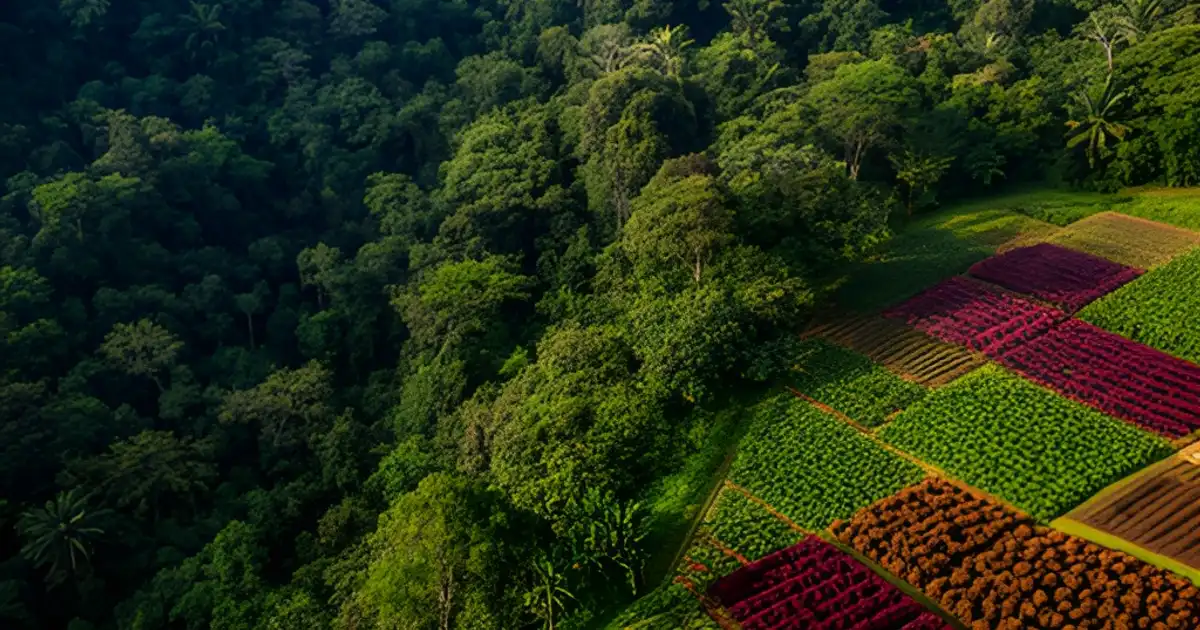
Forest carbon in Indonesia means turning measured changes in forest carbon stocks, from new tree growth or avoided clearing, into credits that companies and governments can buy. Indonesia is the largest source of nature-based credits in Southeast Asia, and since 2025 it has a new domestic legal framework that every project must fit into.
This hub explains how the pieces connect: project types, standards, Indonesian regulation, measurement and money. Use it as a map, then follow the links into the detail.
The market in numbers
Southeast Asia issued 129 million nature-based credits under VCS and Gold Standard up to April 2025. That is about 22% of global nature-based issuance. Of those, 43 million were still available, roughly 19% of the global available supply. Indonesia produced 59.3% of the region’s issuance and Cambodia 37.0%, and most of it came from REDD+.
Quality signals are strong. BeZero has rated 11 ex-post Indonesian projects, and their average rating is ‘A’. Elsewhere, ‘B’ is the most common rating for nature-based projects. Prices rise about 40% per rating band. Yet Indonesian credits still trade at a fraction of the real cost of abatement, held back by regulatory uncertainty and limits on compliance eligibility. Nobody has published reliable demand or price forecasts for Indonesian supply, so treat any market-size claim with care.
A mental model: five questions every project answers
Every forest carbon project, whatever its standard, answers the same five questions. If you can answer them for your land, you can judge feasibility before spending on consultants.
- What carbon changes, and why? Trees are planted (removals), or forest that would have been cleared is kept (avoidance). Read removals vs avoidance credits for why buyers price them differently.
- Compared with what? The baseline is the scenario without the project. Additionality and baseline setting decide how many credits are real.
- How do you prove it? Field plots, remote sensing and data pipelines turn trees into tonnes. See how tree biomass becomes tonnes of CO2 and the five carbon pools.
- How long does it last? Permanence, reversals from fire or harvest, and buffer pools.
- Who owns it and who benefits? Land rights, carbon rights, community consent and benefit sharing. In Indonesia this ties directly to licences, social forestry and customary forests.
The carbon project lifecycle walks through these steps from idea to issuance. For a quick first answer on your own land, try the carbon project eligibility quiz.
Project types that fit Indonesia
Indonesia’s landscapes support almost every nature-based project type.
| Project type | What it does | Typical Indonesian setting | Hub |
|---|---|---|---|
| ARR | Plants or regrows trees on non-forest land | Degraded land, smallholder farms, former plantations | ARR |
| REDD+ | Prevents deforestation and degradation | Lowland forest and peat in Sumatra, Kalimantan, Papua | REDD+ |
| Blue carbon | Restores or protects mangroves and tidal wetlands | Coastlines, abandoned aquaculture ponds | Blue carbon |
| Agroforestry | Adds trees to coffee, cocoa and rubber farms | Smallholder landscapes in Sumatra, Sulawesi, Java | Agroforestry |
| Improved forest management | Changes logging practice in concessions | PBPH forest licences | REDD+ |
ARR vs REDD+ compares the two main options side by side.
Standards and integrity
Most Indonesian credits so far were issued under Verra’s VCS, with Gold Standard, Plan Vivo and ART TREES as the main alternatives. For ARR, Verra’s VM0047 v1.1 has been effective for all projects since 14 May 2025. It combines remote sensing, a dynamic performance benchmark from control plots and plot sampling. For jurisdictional REDD+, ART TREES issues serialised 1 tCO2e credits.
Buyers increasingly ask for the ICVCM Core Carbon Principles label. A credit carries the CCP label only with “two ticks”: a CCP-Approved methodology used under a CCP-Eligible program. The standards hub and the CCP label explainer cover this in detail. Credit rating agencies add a further price signal.
Indonesian rules you cannot skip
Perpres 110/2025 is now the legal anchor for carbon trading. It replaced the earlier framework built on Perpres 98/2021. POJK 10/2026 amends the OJK carbon exchange rules and has applied since 6 July 2026. Units traded on the exchange must be recorded in SRUK, which replaces SRN-PPI. For forestry, Permenhut 6/2026 was socialised on 29 April 2026 and names social forestry groups, customary forests and communities as legitimate, equal participants. The ministry called it “carbon for the people”.
IDXCarbon, supervised by OJK, is the operational exchange. It trades PTBAE-PU allowances and SPE-GRK offsets. The Indonesian regulation hub maps all of this, and who owns the carbon addresses the land rights question that sinks many early projects. International sales may also involve Article 6 authorisation and corresponding adjustments.
Measurement is where projects win or fail
Satellite monitoring is now widely available. What separates credible projects is field data that calibrates it: well-designed plots, accurate tree measurements and boundaries mapped to survey grade. Verifiers check that the numbers in the monitoring report trace back to evidence. The dMRV hub explains the full chain from plot to registry.
The same field data also serves supply-chain compliance. The EU Deforestation Regulation (EUDR) applies, according to the Commission, from 30 December 2026. It requires plot geolocation and proof that coffee, cocoa, rubber, palm oil and wood were not grown on land deforested after 31 December 2020. Many of these commodities grow in the same smallholder landscapes where carbon projects operate. See the EUDR hub.
Money and buyers
Project finance usually combines offtake agreements, prepayment and grant or blended capital. Corporate buyers look at ratings, CCP status and claims guidance before they commit. The climate finance hub covers deal structures. If you want to put a nature claim in public, read avoiding greenwashing with nature claims first.
Common mistakes
- Starting with the standard instead of the land. Tenure, land history and threats decide what is possible; the standard follows.
- Overestimating volumes. Conservative ex-ante numbers protect both the developer and the buyer.
- Leaving communities until later. Consent and benefit sharing designed late are expensive and fragile.
- Ignoring domestic rules. An international registration does not replace Indonesian approvals.
Where to start
- Landowner or developer: start with land eligibility and a feasibility check. Our feasibility and eligibility service screens land history, tenure and project type fit.
- Corporate buyer: start with standards and ratings, then due diligence on specific projects.
- Government or NGO: start with the regulation hub and social forestry pages.
- Exporter: start with the EUDR hub.
How forest carbon credits work is the best single primer if you are new to the topic. Each page in this hub is listed below.
Frequently asked questions
How big is Indonesia in the forest carbon market?
Southeast Asia issued 129 million nature-based credits under VCS and Gold Standard up to April 2025, about 22% of global nature-based issuance. Indonesia accounted for 59.3% of the regional total, mostly from REDD+ projects.
Can a forest carbon project in Indonesia sell credits internationally?
It can, but it must work within the domestic framework anchored by Perpres 110/2025, including registration in SRUK for units traded on the exchange, and it may need authorisation and corresponding adjustments for some international uses. Check the current rules before signing any offtake.
What is the difference between ARR and REDD+?
ARR (afforestation, reforestation and revegetation) grows new trees and generates removal credits. REDD+ protects existing forest from clearing and generates avoidance credits measured against a baseline.
Do Indonesian forest credits rate well for quality?
BeZero has rated 11 ex-post Indonesian projects and their average is 'A', against 'B' as the most common nature-based rating elsewhere. Prices rise about 40% per rating band, though Indonesian credits still trade at a fraction of real abatement cost.
AKAR tools
- AKAR Eligibility: Land Eligibility Screening
AKAR Eligibility screens land for carbon project and EUDR eligibility using satellite land-cover history, change detection and methodology rules.
Topic
- Comparisons
Carbon standard comparisons and more: side-by-side tables on Verra vs Gold Standard, ARR vs REDD+, Article 6.2 vs 6.4, EUDR vs RSPO and monitoring technologies.
- Glossary of Forest Carbon, dMRV and EUDR Terms
A carbon glossary for forest carbon, dMRV and EUDR: plain-English definitions of 120+ terms with an Indonesian angle, grouped by topic.
- Guides
Forest carbon guides for Indonesia: practical how-tos on ARR, REDD+, blue carbon, dMRV, agroforestry, Article 6, biodiversity and project finance.
- Indonesia Province Guide to Forest Carbon and EUDR
Indonesia provinces and forest carbon: a guide to all 38 provinces, their forests, peat, mangroves, commodities, project types and EUDR exposure.
Comparisons
- ARR vs REDD+: Which Project Type Fits Your Land
ARR vs REDD+ for Indonesian land: which project type fits your land condition, threat, tenure and buyers, with methodologies, timelines and risks compared.
Glossary
- Carbon pool: Definition
What is a carbon pool? The five IPCC forest carbon pools, which ones carbon methodologies require, and which matter most for Indonesian projects.
- Dead wood: Definition
What is dead wood in carbon accounting? Standing and lying dead wood, how it is measured with transects, and when Indonesian projects should include it.
- Emission reduction: Definition
What is an emission reduction in carbon markets? How reductions are calculated against a baseline, how they become credits, and how Indonesia counts them.
- Ex-ante: Definition
What does ex-ante mean in carbon projects? Forward-looking carbon estimates explained, how they are built and used in finance, and the risks of over-promising.
- Ex-post: Definition
What does ex-post mean in carbon markets? Credits issued after verified results, why buyers and raters prefer them, and what it means for Indonesia.
- Litter: Definition
What is litter in forest carbon accounting? Definition of the litter pool, how it is sampled, and why most Indonesian projects treat it as optional.
- tCO2e: Definition
What is tCO2e (tonne of CO2 equivalent)? How gases are converted with global warming potentials, how to turn carbon into CO2, and common unit errors.
Guides
- Avoiding Greenwashing with Nature Claims
How to avoid carbon offset greenwashing: which nature and carbon claims hold up, how to choose credible credits, and the rules now shaping claims.
- The Five Carbon Pools in Forest Accounting
The five forest carbon pools explained: above- and below-ground biomass, dead wood, litter and soil organic carbon, and which ones projects must measure.
- The Carbon Project Lifecycle from Idea to Issuance
The carbon project lifecycle from idea to issuance: feasibility, design, validation, registration, monitoring, verification and sale, with Indonesian steps.
- From Tree Biomass to Tonnes of CO2
How to convert tree biomass to CO2: allometric equations, root-to-shoot ratios, carbon fraction and the 44/12 factor, with a worked example.
- Community Engagement That Survives Verification
How to run carbon project community engagement that survives verification in Indonesia: FPIC, benefit sharing, grievances and the records auditors check.
- How Forest Carbon Credits Work
How forest carbon credits work, step by step: from baseline and measurement to verification, issuance and retirement, with the Indonesian rules that now apply.
- Removals vs Avoidance Credits
Removal vs avoidance carbon credits explained: how they differ, which forest projects produce each, how buyers value them, and what it means for Indonesia.
Province profiles
- Forest Carbon and EUDR in Aceh
Forest carbon in Aceh: Leuser and Ulu Masen forests, Tripa peat, Gayo coffee and palm oil, which project types fit and where EUDR exposure sits.
- Forest Carbon and EUDR in Bali
Forest carbon in Bali: West Bali National Park, Benoa Bay mangroves, Kintamani coffee and Jembrana cocoa agroforestry, desa adat land and EUDR exposure.
- Forest Carbon and EUDR in Bangka Belitung Islands
Forest carbon in Bangka Belitung Islands: post-tin-mining land, heath forest and mangroves, pepper, palm oil and rubber, rehabilitation fit and EUDR exposure.
- Forest Carbon and EUDR in Banten
Forest carbon in Banten: Ujung Kulon and Halimun Salak forests, Baduy customary land, smallholder wood and cocoa, coastal mangroves and EUDR exposure.
- Forest Carbon and EUDR in Bengkulu
Forest carbon in Bengkulu: Kerinci Seblat and Bukit Barisan forests, robusta coffee highlands, palm oil and rubber, agroforestry fit and EUDR exposure.
- Forest Carbon and EUDR in Central Java
Forest carbon in Central Java: teak forests, Jepara furniture, smallholder woodlots, Demak and Segara Anakan mangroves, coffee highlands and EUDR wood exposure.
- Forest Carbon and EUDR in Central Kalimantan
Forest carbon in Central Kalimantan: Sebangau and Tanjung Puting peat, the former Mega Rice Project area, palm oil, peat restoration and EUDR exposure.
- Forest Carbon and EUDR in Central Papua
Forest carbon in Central Papua: Lorentz National Park, Mimika mangroves, Nabire lowlands, highland coffee, mining pressure, customary land and EUDR exposure.
- Forest Carbon and EUDR in Central Sulawesi
Forest carbon in Central Sulawesi: Lore Lindu and Togean forests, nickel mining pressure, cocoa and coconut, mangroves, project fit and EUDR cocoa exposure.
- Forest Carbon and EUDR in East Java
Forest carbon in East Java: Bromo Tengger Semeru, Meru Betiri and Baluran, smallholder sengon, Ijen coffee, Jember cocoa, mangroves and EUDR wood exposure.
- Forest Carbon and EUDR in East Kalimantan
Forest carbon in East Kalimantan: Kutai, Wehea and Berau forests, Mahakam delta mangroves, logging, coal and palm oil, jurisdictional REDD+ and EUDR exposure.
- Forest Carbon and EUDR in East Nusa Tenggara
Forest carbon in East Nusa Tenggara: savanna and dry monsoon forest, sandalwood, Flores coffee and cocoa, Komodo and Sumba parks, mangroves and EUDR exposure.
- Forest Carbon and EUDR in Gorontalo
Forest carbon in Gorontalo: Nantu and Bogani Nani Wartabone forests, Tomini Bay mangroves, maize on slopes, coconut and cocoa, project fit and EUDR exposure.
- Forest Carbon and EUDR in Highland Papua
Forest carbon in Highland Papua: Baliem Valley, Lorentz montane forest, Wamena coffee, customary clan land, high-forest low-deforestation fit and EUDR.
- Forest Carbon and EUDR in Jakarta
Forest carbon in Jakarta: Muara Angke mangroves, Thousand Islands, and why Jakarta matters as the base for exporters, buyers and IDXCarbon under EUDR rules.
- Forest Carbon and EUDR in Jambi
Forest carbon in Jambi: Berbak peat, Kerinci Seblat and Bukit Duabelas, rubber, palm oil, pulpwood and cinnamon, project fit and EUDR exposure explained.
- Forest Carbon and EUDR in Lampung
Forest carbon in Lampung: Bukit Barisan Selatan and Way Kambas, robusta coffee and cocoa agroforestry, community forestry, mangroves and EUDR exposure.
- Forest Carbon and EUDR in Maluku
Forest carbon in Maluku: Manusela forests on Seram, sago swamps, Aru and Seram mangroves, nutmeg and clove agroforestry, customary sasi and low EUDR exposure.
- Forest Carbon and EUDR in North Kalimantan
Forest carbon in North Kalimantan: Kayan Mentarang and Heart of Borneo forests, Sesayap delta mangroves, palm oil and timber, project fit and EUDR.
- Forest Carbon and EUDR in North Maluku
Forest carbon in North Maluku: Halmahera rainforest, Aketajawe-Lolobata, nickel mining pressure, clove and nutmeg agroforestry, mangroves and low EUDR exposure.
- Forest Carbon and EUDR in North Sulawesi
Forest carbon in North Sulawesi: Tangkoko and Bogani Nani Wartabone forests, Bunaken mangroves, coconut, clove and nutmeg, project fit and low EUDR exposure.
- Forest Carbon and EUDR in North Sumatra
Forest carbon in North Sumatra: Batang Toru, Leuser and Toba highlands, east coast peat and mangroves, palm oil, rubber and coffee EUDR exposure.
- Forest Carbon and EUDR in Papua
Forest carbon in Papua province after the 2022 split: Mamberamo, Foja and Cyclops forests, sago, cocoa, oil palm, customary land and EUDR exposure.
- Forest Carbon and EUDR in Riau
Forest carbon in Riau: deep peat on the Kampar Peninsula and Siak, Tesso Nilo, palm oil and pulpwood, peat restoration fit and heavy EUDR exposure.
- Forest Carbon and EUDR in Riau Islands
Forest carbon in Riau Islands: mangroves and seagrass across Batam, Bintan, Lingga and Natuna, limited land commodities, blue carbon fit and low EUDR exposure.
- Forest Carbon and EUDR in South Kalimantan
Forest carbon in South Kalimantan: Meratus mountains, Barito swamps, coal mining land, palm oil and rubber, mangroves, project fit and EUDR exposure explained.
- Forest Carbon and EUDR in South Papua
Forest carbon in South Papua: Wasur savanna, Asmat mangroves, Merauke food estate and oil palm in Boven Digoel, customary land, project fit and EUDR exposure.
- Forest Carbon and EUDR in South Sulawesi
Forest carbon in South Sulawesi: Maros-Pangkep karst, Toraja and Enrekang coffee, Luwu cocoa, nickel in Luwu Timur, coastal ponds and mangroves, EUDR exposure.
- Forest Carbon and EUDR in South Sumatra
Forest carbon in South Sumatra: OKI peat, Sembilang mangroves, rubber, palm oil, pulpwood and robusta coffee, project types and EUDR exposure explained.
- Forest Carbon and EUDR in Southeast Sulawesi
Forest carbon in Southeast Sulawesi: Rawa Aopa Watumohai, Wakatobi, nickel mining, Kolaka cocoa, cashew, mangroves, project fit and EUDR exposure explained.
- Forest Carbon and EUDR in Southwest Papua
Forest carbon in Southwest Papua: Raja Ampat and Tambrauw, Sorong forests and mangroves, Moi customary land, oil palm permits, project fit and EUDR exposure.
- Forest Carbon and EUDR in West Java
Forest carbon in West Java: montane parks, smallholder sengon woodlots, Java Preanger coffee, degraded north coast mangroves, project fit and EUDR exposure.
- Forest Carbon and EUDR in West Kalimantan
Forest carbon in West Kalimantan: Gunung Palung, Danau Sentarum and Betung Kerihun, Kapuas peat and mangroves, palm oil, rubber and EUDR exposure.
- Forest Carbon and EUDR in West Nusa Tenggara
Forest carbon in West Nusa Tenggara: Rinjani and Tambora forests, dry monsoon forest, maize on Sumbawa, coffee, mangroves, project fit and EUDR exposure.
- Forest Carbon and EUDR in West Papua
Forest carbon in West Papua: Bintuni Bay mangroves, Arfak Mountains, Fakfak nutmeg, oil palm permit reviews, conservation province status and EUDR exposure.
- Forest Carbon and EUDR in West Sulawesi
Forest carbon in West Sulawesi: Gandang Dewata and Mamasa uplands, cocoa, oil palm and coffee, coastal mangroves, agroforestry fit and EUDR exposure explained.
- Forest Carbon and EUDR in West Sumatra
Forest carbon in West Sumatra: Kerinci Seblat and Siberut forests, nagari customary forests, cinnamon and coffee agroforestry, palm oil and EUDR exposure.
- Forest Carbon and EUDR in Yogyakarta
Forest carbon in Yogyakarta: Gunungkidul karst community teak, Merapi slopes, Menoreh cocoa and coffee, small coastal mangroves, project fit and EUDR exposure.
Services
- Services
Carbon project consultancy in Indonesia: feasibility, modelling, PDDs, dMRV, field data, EUDR compliance and regulatory navigation from one specialist team.
- Carbon Project Feasibility and Land Eligibility
Carbon project feasibility and land eligibility screening in Indonesia: land-cover history, tenure, project type, methodology fit and a go/no-go memo.
- Training for Companies, Government and Field Teams
Carbon, dMRV and EUDR training for companies, government and field teams in Indonesia: practical courses from standards to plot measurement.
Free tools
- Free Carbon and EUDR Tools
Free carbon calculator tools for Indonesia: estimate ARR removals, single tree CO2, project eligibility and EUDR readiness in your browser, no sign-up.
- Carbon Project Eligibility Quiz
Free carbon project eligibility quiz: describe your land's cover, history, threat and tenure to see which project types may fit and what to check first.